203 · Arizona Apricot (Gaillardia)
Flower · Perennial · Heat tolerant · Heirloom
About this plant
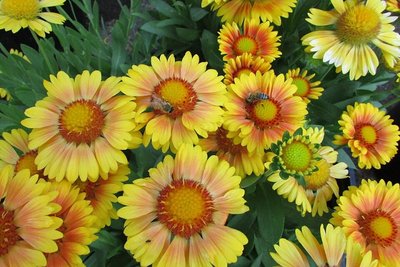
An All-America Selections winner in warm apricot, gold and salmon — the colors of an Arizona sky at dusk — on 3-to-4-inch daisies over a tidy 12-inch mound. Bred for heat and drought, it takes full desert sun without sulking and blooms from March into November. It also flowers up to a month earlier than most gaillardias, which is exactly what you want from a February planting.
Planting it at home
- When to plant out
- Wait until after our last frost (about mid-February) and warm soil — usually March. Until then keep the pot in a sunny, sheltered spot and bring it in on cold nights.
- Where
- The hottest, sunniest, driest spot you have — west-facing beds, xeriscape, gravel gardens, containers
- Spacing
- 12–18 in apart (Swallowtail)
- Size
- 12 in tall (Swallowtail), 3–4 in flowers. Compact — no staking needed.
- Support
- Bush / compact — little or no support
Care
- Sun
- Full sun
- Water
- Low to moderate. Drought tolerant once established; needs well-drained soil.
- Feed
- A light flower fertilizer every 3–4 weeks while blooming (general guide).
- Pick / harvest
- Cut when the flower is fully open, first thing in the morning; strip lower foliage and use preservative (GITG)
- Deadhead
- Cut off spent flowers to keep new blooms coming.
Good to know
- Caution
- Wear gloves: hairy leaves can irritate skin. Not edible.
- Grown from
- Seed — sown by FHCG volunteers
- Uses
- Xeriscape and pollinator beds, borders, containers, cut flowers
- Life cycle
- Perennial (Gaillardia aristata, hardy to zone 2–3 per Swallowtail). In 9b it is a genuine returning perennial, though often short-lived — expect 2–3 good years, and it self-sows.
- Heirloom or hybrid
- Heirloom — saved seeds grow true
- Pollinators
- Bees, including native bees, and butterflies (Swallowtail; GITG). GITG also notes assassin bugs and spiders take up residence, and birds eat the seedheads if left standing.
- Heat (our summer)
- Excellent. Full sun, heat and drought tolerant; blooms fade faster in extreme heat, so deadhead regularly (GITG).
- Cold
- Yes — hardy to zone 2–3, far colder than Fountain Hills ever gets
- Color
- Soft apricot and gold blending into salmon, on 3–4 in daisy blooms (Baker Creek FL1045; Swallowtail)
- Edible
- No. Not a food plant. Fuzzy hairs on leaves and stems can irritate skin; wear gloves (NC State Extension).
Seed for our 2027 plants: rareseeds.com · Learn more: UA Extension, Maricopa Master Gardeners · Growing In The Garden (Mesa AZ)