223 · Salvia Tall Red Hill
Flower · Annual · Hummingbird magnet · Heirloom
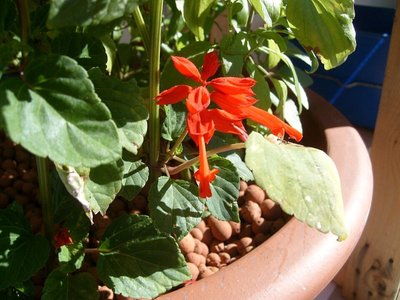
About this plant
Tall 20-to-24-inch spikes of neon orange-red that genuinely glow in low sun — Baker Creek likens the effect to flames in the border. It is the standout hummingbird plant of this sale, and bees and butterflies work it just as hard. This is Salvia splendens: bushy, showy and thirsty, not the drought-tough native scarlet sage. Note: Frost tender — hold pots until late February. Will NOT be in bloom at the sale. Needs regular water and afternoon summer shade. This is Salvia splendens, NOT the drought-tolerant native Salvia coccinea.
Planting it at home
- When to plant out
- Wait until after our last frost (about mid-February) and warm soil — usually March. Until then keep the pot in a sunny, sheltered spot and bring it in on cold nights.
- Where
- Morning sun, afternoon shade; back of a border, hummingbird garden, large containers. Keep on irrigation.
- Spacing
- 12 in — for this cultivar specifically; Baker Creek gives 12 in for its sibling Amore series
- Size
- 20–24 in tall on sturdy, robust stems (Baker Creek). Described as robust; staking not normally needed, though a windy site may warrant it.
Care
- Sun
- Full sun in winter and spring; afternoon shade in summer
- Water
- Regular, consistent water. Not drought tolerant.
- Feed
- A light flower fertilizer every 3–4 weeks while blooming (general guide).
- Pick / harvest
- no published cutting stage; general salvia practice is to cut at about half the spike open
- Deadhead
- Cut off spent flowers to keep new blooms coming.
Good to know
- Caution
- Edibility unsure. Do not eat.
- Grown from
- Seed — sown by FHCG volunteers
- Uses
- Hummingbird and pollinator gardens, back-of-border bedding, large pots
- Life cycle
- Tender perennial grown as an annual — S. splendens is hardy to zones 10a–11b only (NC State Ext), so a frost-tender annual in 9b
- Heirloom or hybrid
- Heirloom — saved seeds grow true
- Pollinators
- Strong draw. Baker Creek calls these 'wildlife super magnets' feeding bees, butterflies and hummingbirds; NC State confirms hummingbirds and butterflies for the species. The tall orange-red spikes are the best hummingbird plant in this catalog.
- Days to bloom
- no days-to-bloom published for FL698. Sibling variety Amore Purple is 70 days.
- Heat (our summer)
- Moderate. Handles heat with water and afternoon shade; not a reflected-heat or xeriscape plant.
- Cold
- No — frost tender, zones 10–11. Protect from Fountain Hills frost.
- Color
- Neon orange-red, dense spikes that shimmer in sun (Baker Creek FL698)
- Edible
- Unsure. Ornamental, not a culinary sage. Do not eat.
Seed for our 2027 plants: rareseeds.com · Learn more: UA Extension, Maricopa Master Gardeners · Growing In The Garden (Mesa AZ)