408 · Sweet Marjoram
Herb · Culinary · Perennial · Heirloom
About this plant
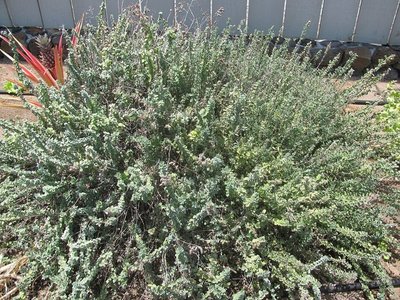
Sweet marjoram is oregano's gentler relation — warm, sweet and faintly piney, and far better used fresh at the end of cooking than boiled. In our zone 9b winters it usually survives as a true perennial rather than an annual. Keep it pinched and it stays a neat, silvery mound.
Planting it at home
- When to plant out
- Wait until after our last frost (about mid-February) and warm soil — usually March. Until then keep the pot in a sunny, sheltered spot and bring it in on cold nights.
- Where
- Full-sun bed or pot with sharp drainage; warm sheltered spot
- Spacing
- 12 in (Old Farmer's Almanac); 6–8 in for cut-leaf production
- Size
- 1–2 ft tall x 1–2 ft wide (NCSU)
Care
- Sun
- Full sun (6+ hr); light afternoon shade in peak summer
- Water
- Low to moderate — dry to medium, well-drained sandy loam
- Feed
- Light feeding only; too much fertilizer weakens the flavor (general guide).
- Pick / harvest
- Before flowering — cut back low when flower buds appear (Old Farmer's Almanac)
Good to know
- Grown from
- Seed — sown by FHCG volunteers
- Uses
- Fresh, added at end of cooking
- Life cycle
- Perennial
- Heirloom or hybrid
- Heirloom — saved seeds grow true
- Pollinators
- Good — NCSU: provides late-season nectar for bees; also butterflies and moths.
- Caution
- Toxic to cats and dogs.
- Days to harvest / bloom
- 80–95 days (Restoration Seeds)
- Heat (our summer)
- Moderate to good — drought tolerant once established (NCSU)
- Color
- White to pale-pink flower spikes; gray-green foliage
- Edible
- Yes — leaves and flowers both edible (NCSU).
Seed for our 2027 plants: unverified ⚠ · Learn more: UA Extension, Maricopa Master Gardeners · Growing In The Garden (Mesa AZ)